



R.E.News International-CNH equipment helps Thai rice farmer replace stubble burning
 12/10/26-FR-English-NL-footer
New Holland : en Thaïlande, la paille de riz devient une ressource pour l’avenir
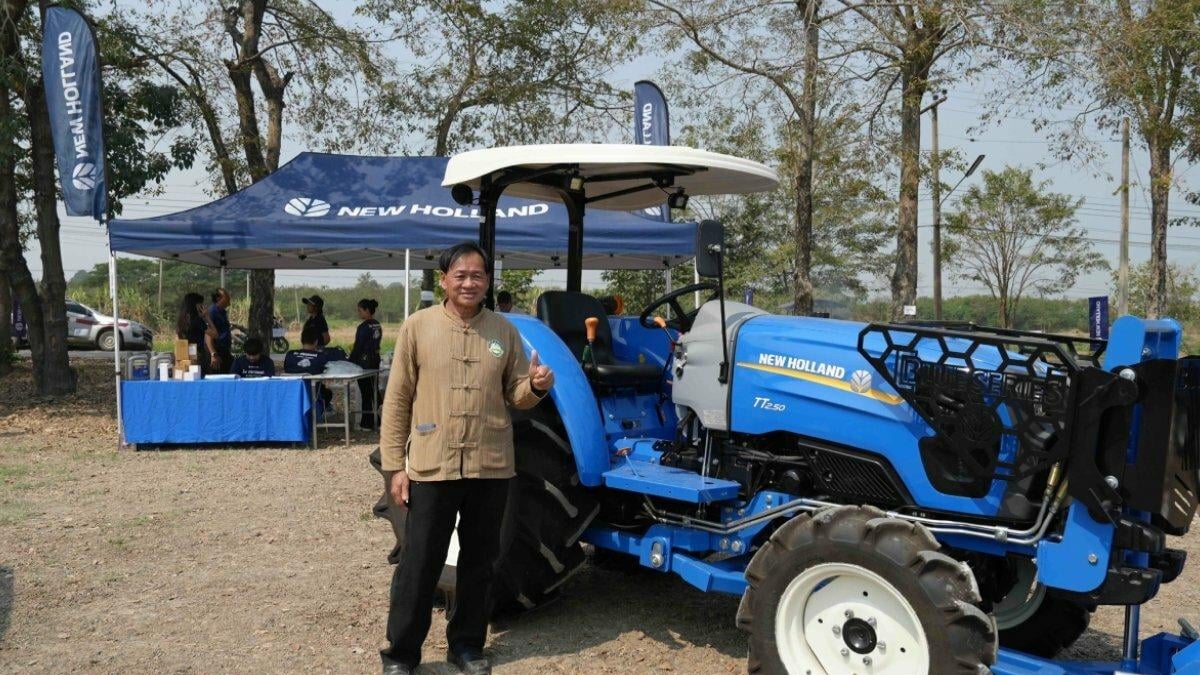
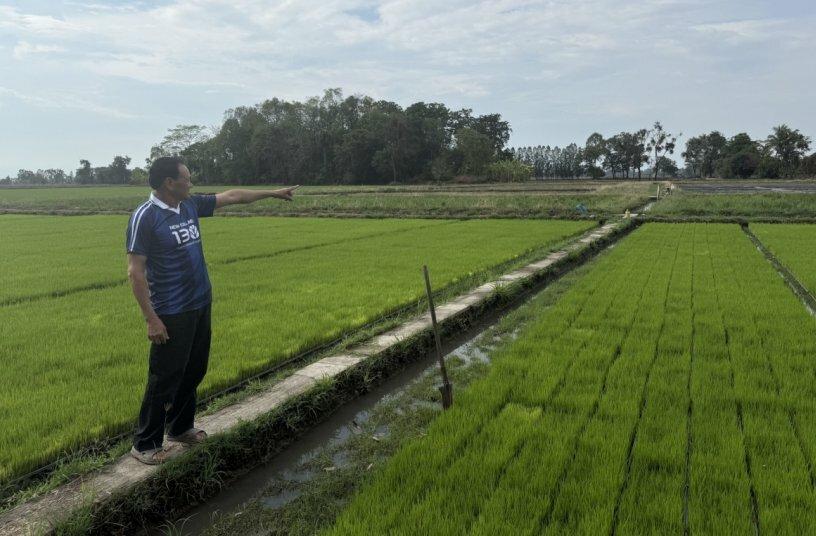 CNH equipment helps Thai rice farmer replace stubble burning - Pichai Sota IMAGE SOURCE: CNH Industrial NV-CNH equipment helps Thai rice farmer replace stubble burning - Rice Farm IMAGE SOURCE: CNH Industrial NV
Et si les résidus de récolte, longtemps considérés comme des déchets, devenaient les alliés d’une agriculture plus durable ? Dans la province de Nakhon Sawan, au cœur de la Thaïlande, l’agriculteur Pichai Tosa explore une nouvelle voie pour préserver ses terres : remplacer le brûlage traditionnel de la paille de riz par une gestion mécanisée des résidus.
Lors de la récolte d’avril 2026, il a mis à l’épreuve un tracteur New Holland TT3.50, associé à un broyeur de résidus. L’objectif : hacher la paille après la moisson, puis la laisser au champ ou l’incorporer au sol afin de restituer une partie de la matière organique et de mieux conserver l’humidité.
Cette approche répond à un enjeu environnemental majeur. Dans les plaines du centre de la Thaïlande, environ 4,8 millions de tonnes de paille de riz seraient brûlées chaque année. Une pratique qui contribue à la pollution atmosphérique et aux émissions de gaz à effet de serre, tout en pouvant fragiliser la vie biologique des sols.
Pour Pichai Tosa, également responsable d’un groupe local de producteurs de riz, les mentalités évoluent avec l’arrivée de nouvelles technologies et une meilleure connaissance des conséquences du brûlage. La mécanisation ouvre désormais des perspectives concrètes pour préparer les parcelles aux prochaines cultures, préserver leur potentiel agronomique et réduire la dépendance aux engrais chimiques.
Pour CNH, cette expérimentation illustre une vision de l’agriculture dans laquelle la machine ne se limite plus à la productivité : elle devient un outil de transition. L’entreprise mise sur l’association des équipements, de la formation des agriculteurs et des partenariats locaux pour apporter des réponses adaptées aux réalités du terrain.
Une démarche comparable est également développée en Inde, où le programme Sustainable Environment Solution associe mécanisation, mise en balles des résidus et accompagnement des producteurs.
En Thaïlande, le changement commence dans les champs : plutôt que de brûler ce que la récolte laisse derrière elle, les agriculteurs apprennent à en faire une richesse pour les cultures de demain.
NJC.© Info CNH Industrial NV
-------------------------------------------------------------------------------------------------------------
12/10/26-English
New Holland: In Thailand, Rice Straw Becomes a Resource for the Future
CNH equipment helps Thai rice farmer replace stubble burning - Pichai Sota IMAGE SOURCE: CNH Industrial NV-CNH equipment helps Thai rice farmer replace stubble burning - Rice Farm IMAGE SOURCE: CNH Industrial NV
What if crop residues, long considered waste, became allies in more sustainable agriculture? In the province of Nakhon Sawan, in the heart of Thailand, farmer Pichai Tosa is exploring a new way to preserve his land: replacing the traditional burning of rice straw with mechanized residue management.
During the April 2026 harvest, he tested a New Holland TT3.50 tractor, coupled with a residue shredder. The goal: to chop the straw after harvesting, then leave it in the field or incorporate it into the soil to replenish some of the organic matter and better retain moisture.
This approach addresses a major environmental challenge. In the plains of central Thailand, approximately 4.8 million tons of rice straw are burned each year. A practice that contributes to air pollution and greenhouse gas emissions, while also potentially damaging soil biodiversity.
For Pichai Tosa, who also leads a local group of rice producers, attitudes are changing with the arrival of new technologies and a better understanding of the consequences of burning. Mechanization now offers concrete opportunities to prepare plots for future crops, preserve their agronomic potential, and reduce dependence on chemical fertilizers.
For CNH, this experiment illustrates a vision of agriculture in which machinery is no longer limited to productivity: it becomes a tool for transition. The company relies on combining equipment, farmer training, and local partnerships to provide solutions tailored to the realities on the ground.
A similar approach is also being developed in India, where the Sustainable Environment Solution program combines mechanization, baling of crop residues, and support for producers.
In Thailand, change begins in the fields: rather than burning what the harvest leaves behind, farmers are learning to transform it into a resource for future crops.
NJC.© Info CNH Industrial NV
-------------------------------------------------------------------------------------------------------
12/10/26-NL
New Holland: Rijststro wordt in Thailand een grondstof voor de toekomst
CNH equipment helps Thai rice farmer replace stubble burning - Pichai Sota IMAGE SOURCE: CNH Industrial NV-CNH equipment helps Thai rice farmer replace stubble burning - Rice Farm IMAGE SOURCE: CNH Industrial NV
Wat als gewasresten, die lange tijd als afval werden beschouwd, bondgenoten zouden worden in een duurzamere landbouw? In de provincie Nakhon Sawan, in het hart van Thailand, onderzoekt boer Pichai Tosa een nieuwe manier om zijn land te behouden: het traditionele verbranden van rijststro vervangen door gemechaniseerd beheer van de gewasresten.
Tijdens de oogst van april 2026 testte hij een New Holland TT3.50 tractor, gekoppeld aan een hakselaar voor gewasresten. Het doel: het stro na de oogst versnipperen en het vervolgens op het veld laten liggen of in de grond verwerken om een deel van de organische stof aan te vullen en vocht beter vast te houden.
Deze aanpak pakt een grote milieu-uitdaging aan. In de vlaktes van centraal Thailand wordt jaarlijks ongeveer 4,8 miljoen ton rijststro verbrand. Een praktijk die bijdraagt aan luchtvervuiling en de uitstoot van broeikasgassen, en die bovendien de biodiversiteit van de bodem kan schaden.
Voor Pichai Tosa, die ook een lokale groep rijstproducenten leidt, verandert de houding ten opzichte van verbranding door de komst van nieuwe technologieën en een beter begrip van de gevolgen van de verbranding. Mechanisatie biedt nu concrete mogelijkheden om percelen voor te bereiden op toekomstige gewassen, hun agronomisch potentieel te behouden en de afhankelijkheid van kunstmest te verminderen.
Voor CNH illustreert dit experiment een visie op landbouw waarin machines niet langer beperkt zijn tot productiviteit: ze worden een instrument voor transitie. Het bedrijf vertrouwt op een combinatie van machines, training van boeren en lokale partnerschappen om oplossingen te bieden die zijn afgestemd op de realiteit ter plaatse.
Een vergelijkbare aanpak wordt ook ontwikkeld in India, waar het programma 'Sustainable Environment Solution' mechanisatie, het persen van gewasresten en ondersteuning voor producenten combineert.
In Thailand begint verandering op het land: in plaats van de oogstresten te verbranden, leren boeren ze te gebruiken als grondstof voor toekomstige gewassen.
NJC.© Info CNH Industrial NV
----------------------------------------------------------------------------------------------------------
Date de dernière mise à jour : 09/10/2026